10 hr
Delphi Mythology Tour with Museum & Arachova Village
- Expert local guide
- Small group
- Skip-the-line access
- Free cancellation
Tour from Athens to Delphi and Meteora — Oracle Sites & Clifftop Monasteries
Two sacred landscapes in one journey, where ancient prophecy meets Byzantine devotion
Compare fares, pick the fit — all bookings are mobile-voucher and eligible for free cancellation where shown.
10 hr
11 hr
9 hr
Selecting the right pass for your tour from athens to delphi and meteora requires understanding that all official site entry is consolidated. These options provide access to both the UNESCO heritage archaeological site and the onsite museum.
| Standard Entry On-site Box Office |
Top pick Combined E-Ticket Online Booking |
|
|---|---|---|
| Price | 20 EUR | 20 EUR |
| Access Level | Site and Museum | Site and Museum |
| Wait Time | Variable (Queue) | None (Skip-the-line) |
| Access Method | Physical Ticket | Digital Voucher |
| Best for | Spontaneous visitors | First-timers planning ahead |
| See tickets & prices |
Verdict: Most travelers on a tour from athens to delphi and meteora tour find the Combined E-Ticket offers the most efficient start to their day.
Worth it for history seekers and culture enthusiasts
A tour from Athens to Delphi and Meteora delivers exceptional cultural value when measured against the 20 EUR entrance fee for the archaeological site and museum at Delphi alone. The site preserves the sanctuary of Apollo where ancient Greek city-states consulted the Pythia oracle on matters of war, colonization, and statecraft. The museum houses the Charioteer of Delphi, fifth-century kouroi, and the Sphinx of Naxos—artifacts that defined classical Greek sculpture. Multi-day tours combining Delphi with Meteora's clifftop monasteries maximize value by spreading transport costs across two UNESCO World Heritage Sites. Day trips focus solely on Delphi's Temple of Apollo, the ancient theater with views across the Pleistos valley, and the Tholos at the Athena Pronaia sanctuary. The archaeological museum contextualizes the ruins with votive offerings, bronze statuary, and architectural fragments from the treasury buildings. For travelers prioritizing Greece's mythological and historical legacy over beach resorts, the investment pays tangible returns in understanding Hellenic civilization's spiritual center.
Bottom line: The tour from Athens to Delphi and Meteora justifies its cost for anyone seeking Greece's cultural and spiritual foundations beyond the Acropolis.
They complement each other; most visitors who do both call the tour from athens to delphi and meteora the more visually dramatic experience. For travelers prioritizing ancient historical variety over sheer scale, a Peloponnese landmarks tour remains the primary alternative.
|
Top pick Delphi & Meteora |
Peloponnese (Mycenae/Epidaurus) | |
|---|---|---|
| Focus | Ancient mysticism and vertical landscape | |
| Nature and geography | Dramatic mountains and rock formations | |
| Key historical site | Sanctuary of Apollo and monasteries | |
| Distance from Athens | Long distance (350+ km) | |
| Travel duration | 2–3 days recommended | |
| Best for | First-time visitors wanting impact | |
| Ease of visit | Requires significant travel time | |
| Entrance fees | 20 EUR (Delphi site) + monasteries | |
| See tickets & prices |
Verdict: Choose the tour from athens to delphi and meteora if you seek iconic scenery and spiritual history, or opt for the Peloponnese if you prefer a tighter circuit of diverse archaeological sites.
Hand-picked experiences loved by thousands of travelers
2 days
Free Cancellation
Explore ancient sanctuaries and clifftop monasteries on this immersive two-day journey through Greece
2 days
Free Cancellation
Discover ancient sanctuaries and clifftop monasteries on this overnight journey through Greece's most sacred sites
10 hours
Free Cancellation
Journey to ancient Greece's sacred oracle site with audio guides, VR tech, and a mountain village stop
3 days
Free Cancellation
Discover two UNESCO sites on a multi-day escape featuring monastery visits, sunset views, and ancient ruins
12 hours
Free Cancellation
Explore ancient Oracle sites, visit the legendary 300 Spartans monument, and journey through Greek mythology
11 hours
Free Cancellation
Journey to the sacred slopes of Mount Parnassus and explore the oracle sanctuary that shaped ancient Greece
10 hours
Free Cancellation
Journey to the ancient oracle's sanctuary at Delphi and explore the Temple of Apollo ruins
Explore ancient artifacts and the Charioteer
Walk the Sacred Way to the main temple
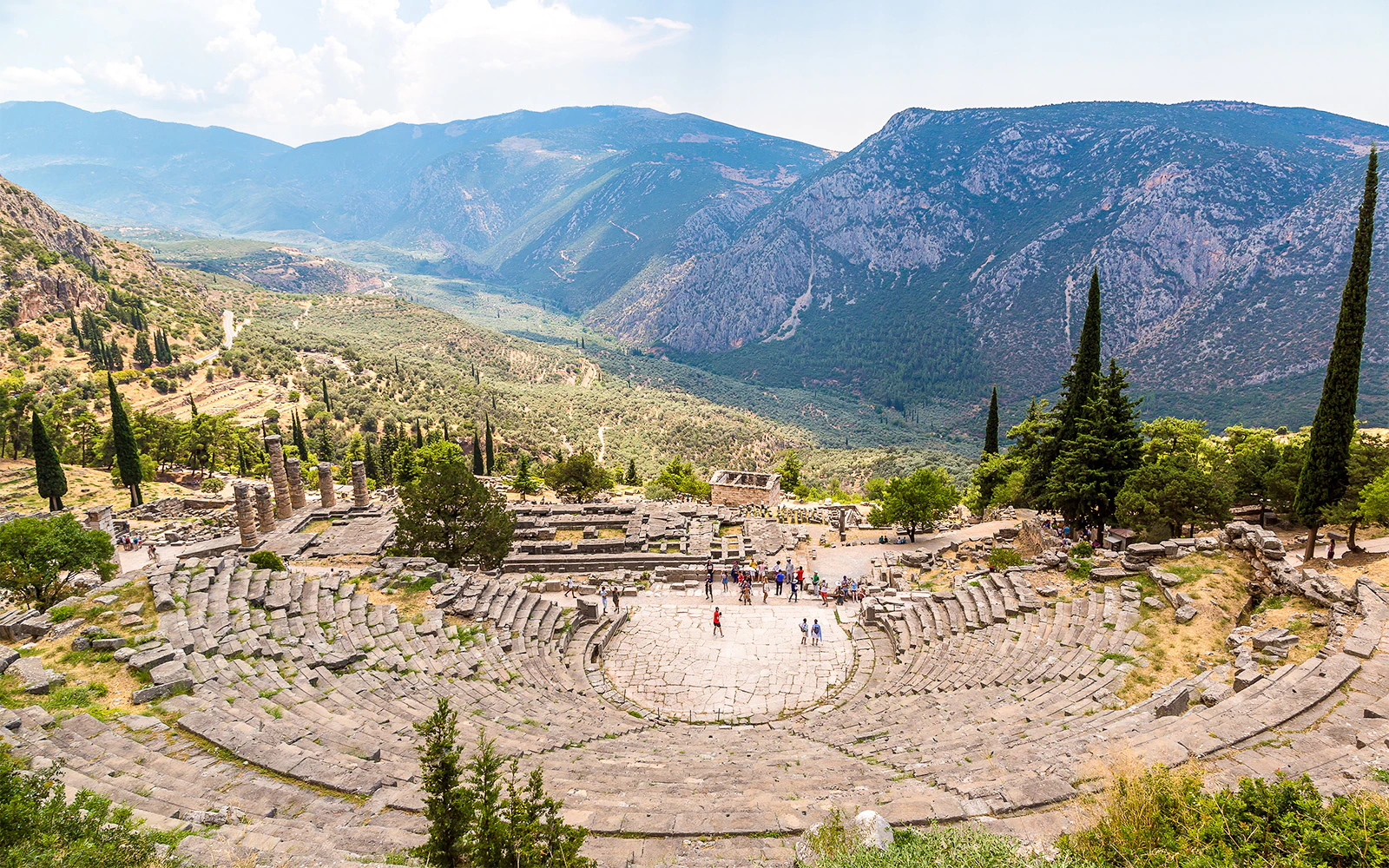
Ascend to the theater for panoramic views
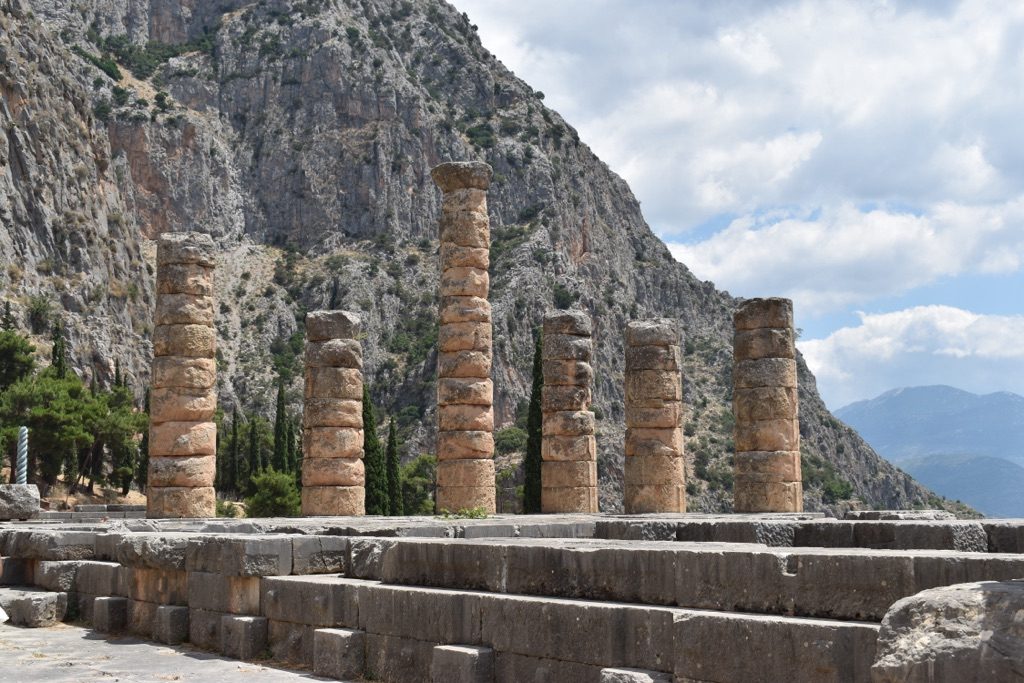
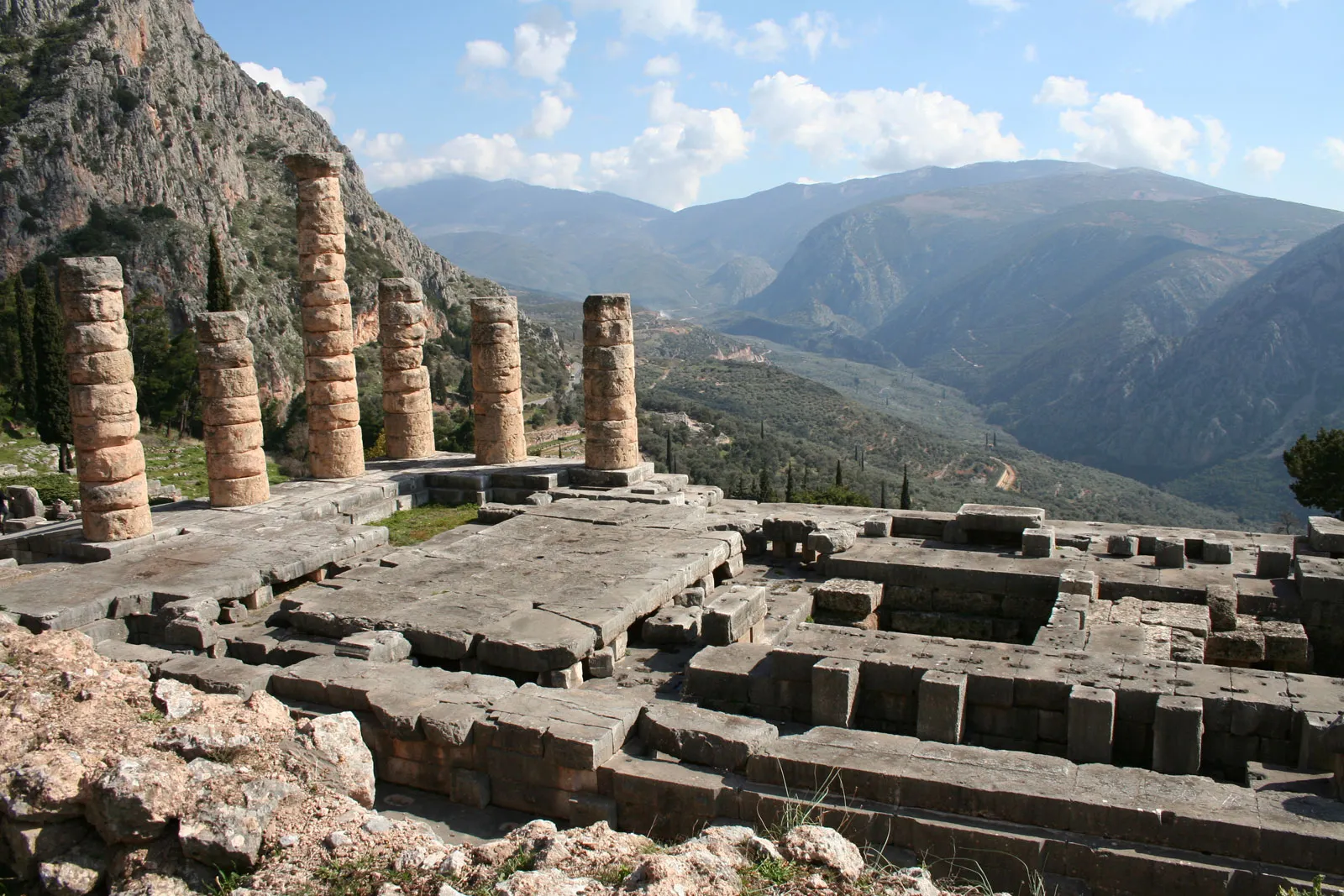
The center of the sanctuary where the Pythia delivered oracles. It remains the most iconic structure on site.
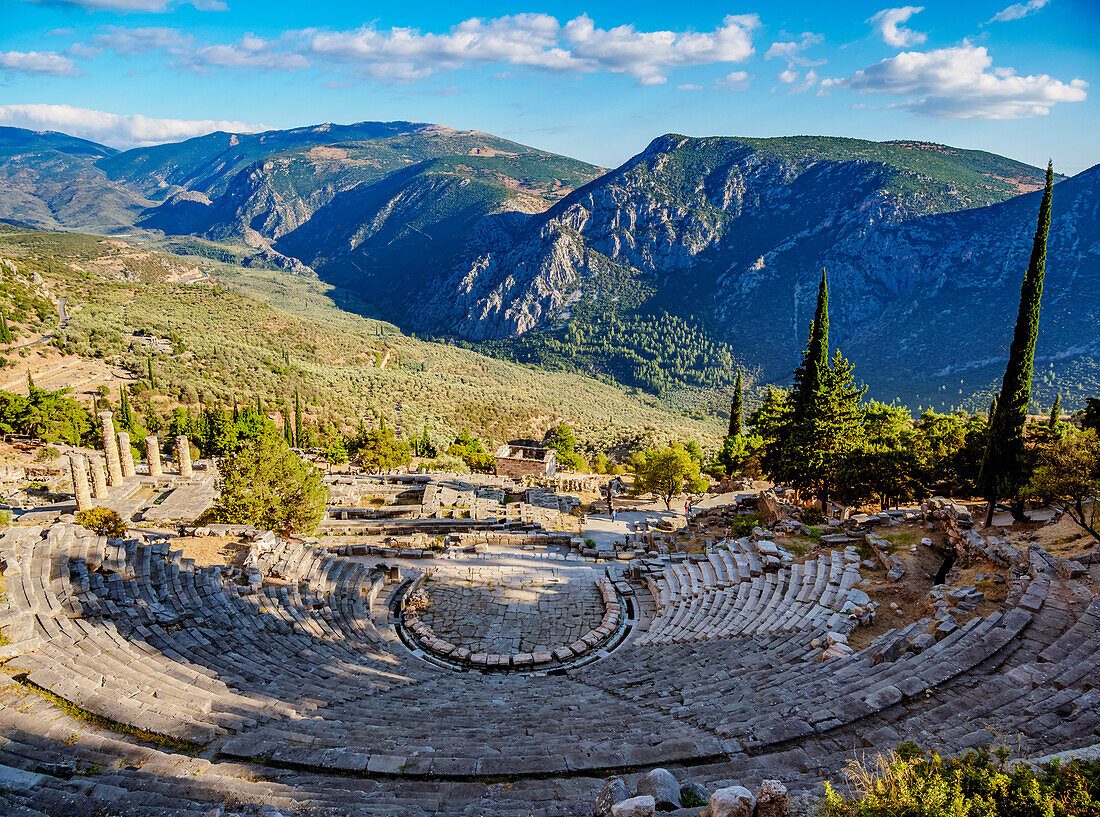
This stone theater held over 5,000 spectators for musical competitions. It offers a clear view of the valley below.
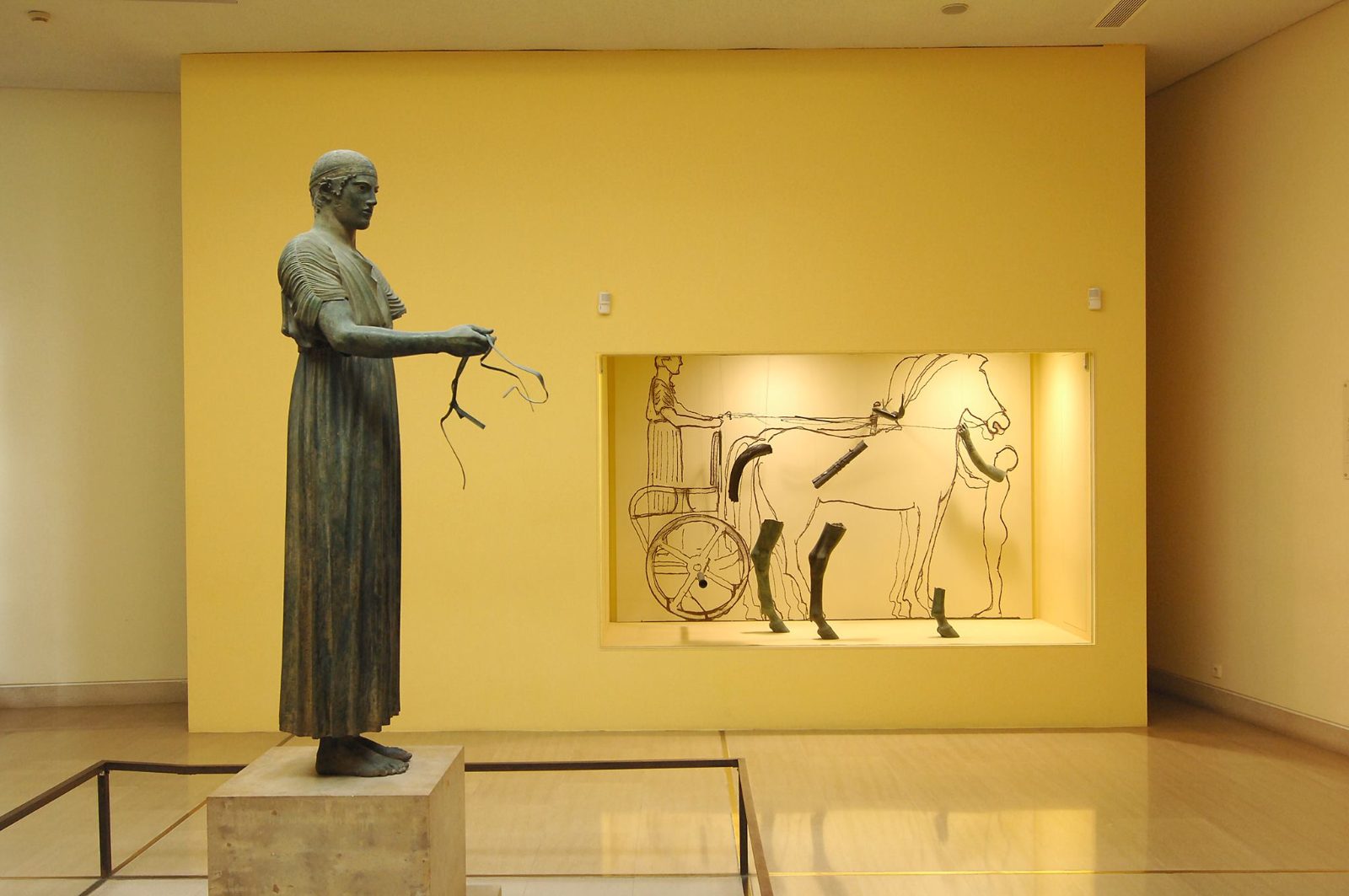
A masterwork of ancient bronze casting located in the museum. It survived the collapse of the temple complex.
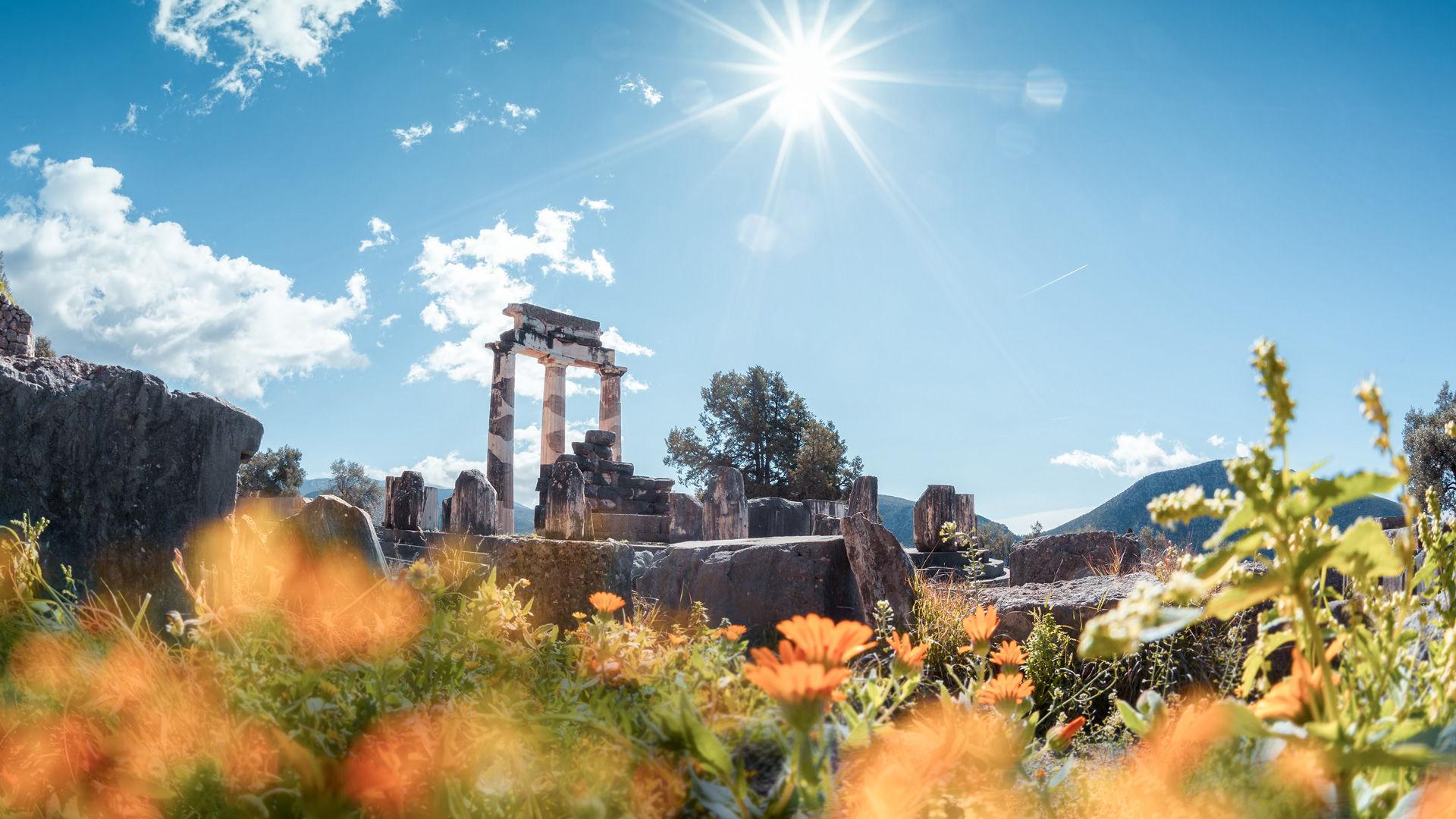
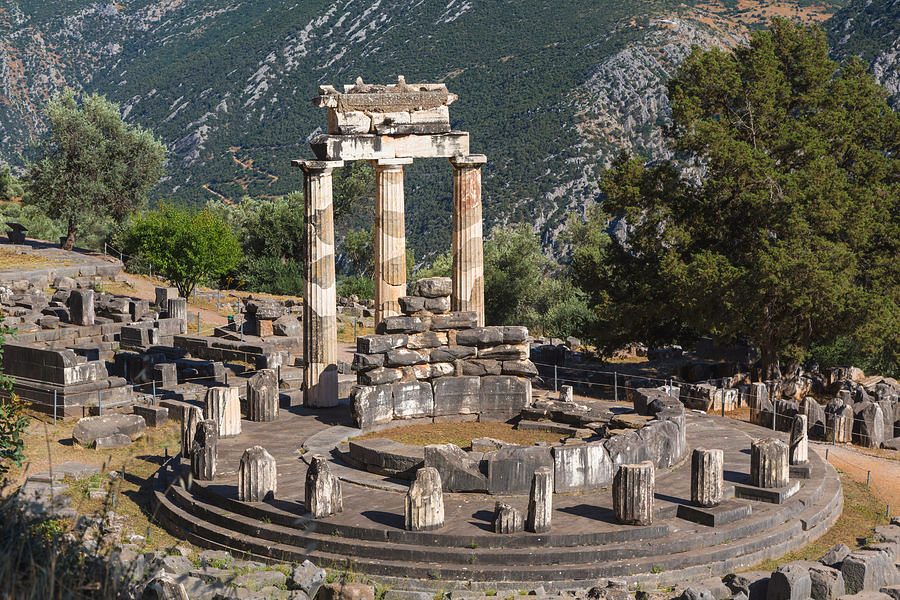
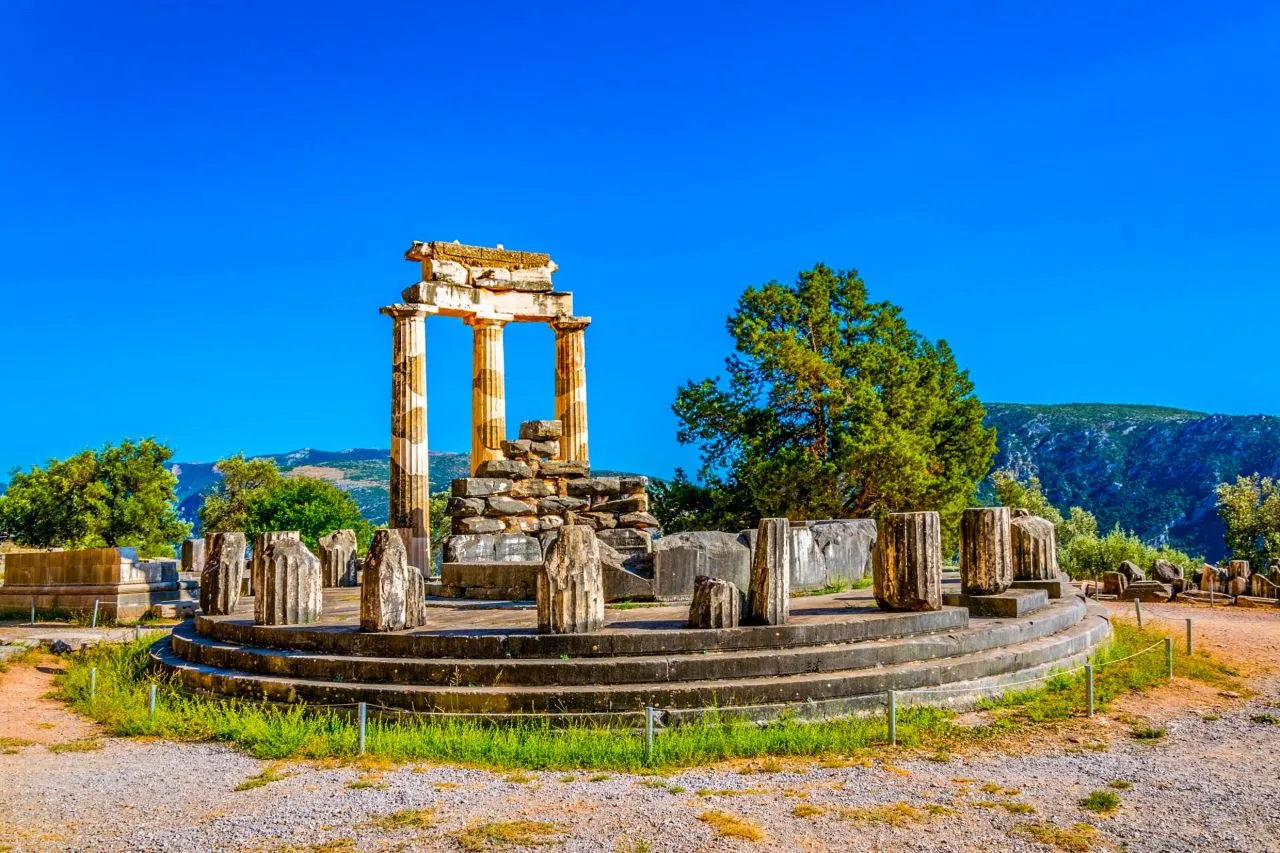
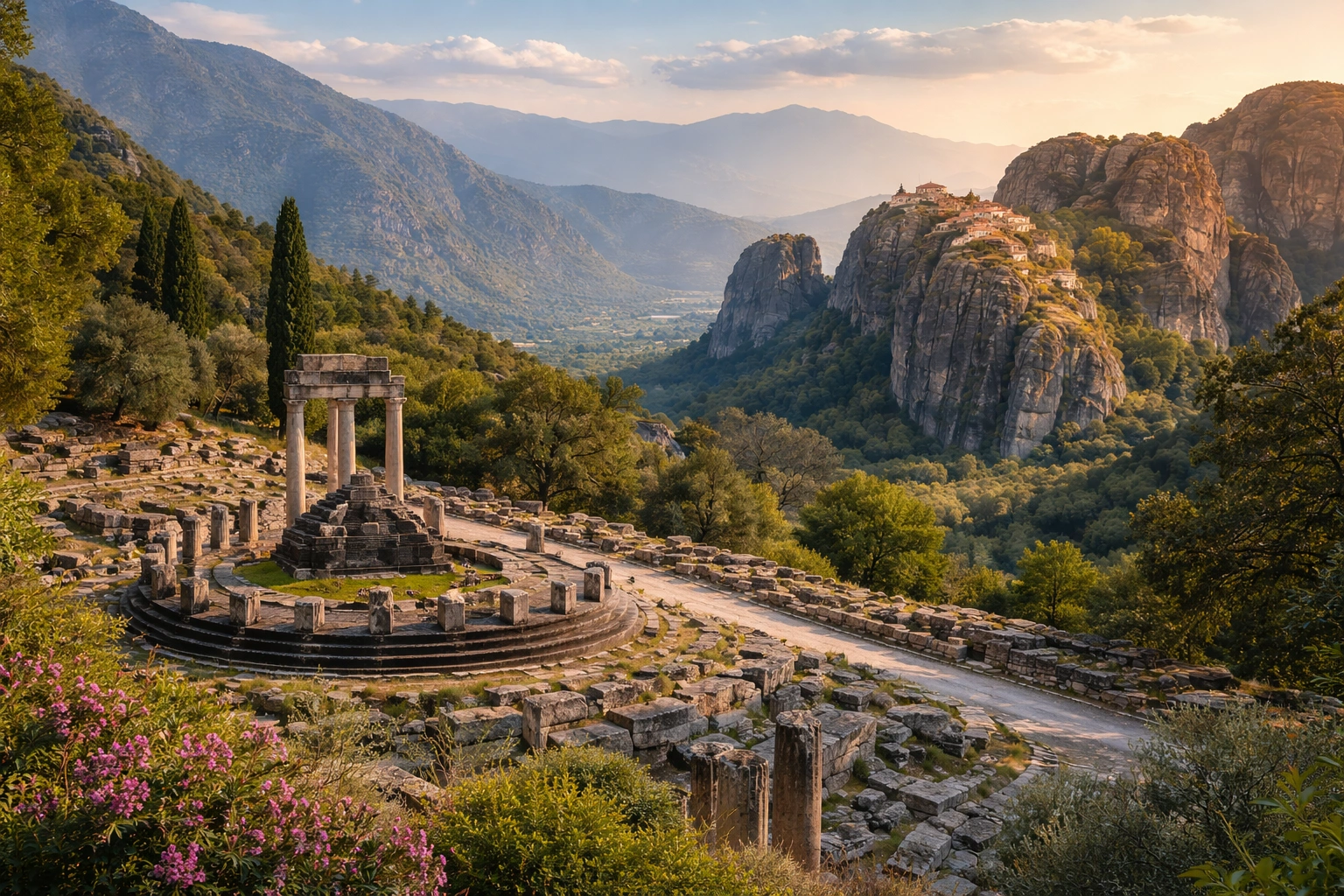
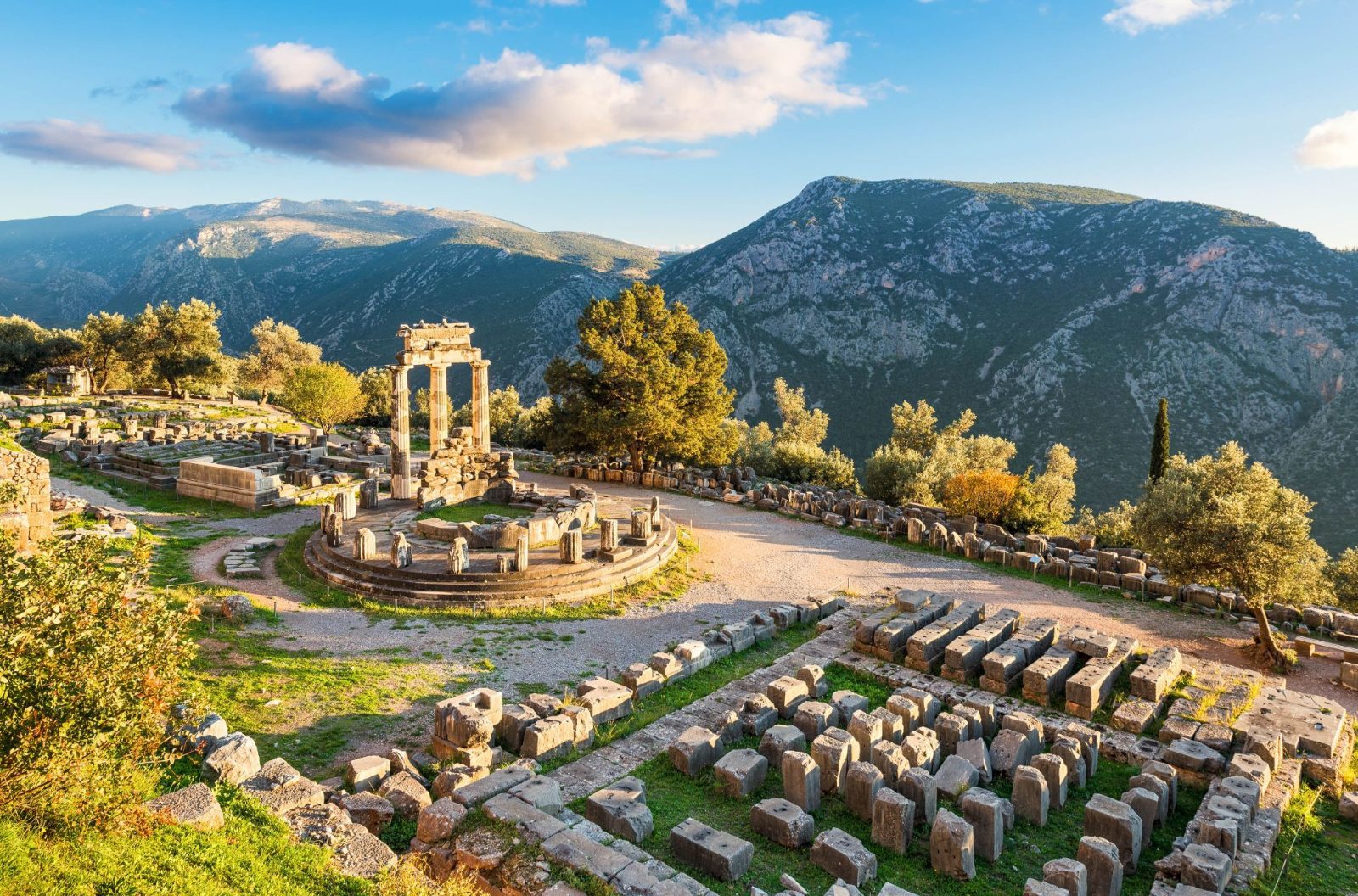
A circular structure located at the site of Marmaria. Its purpose remains a subject of archaeological debate.
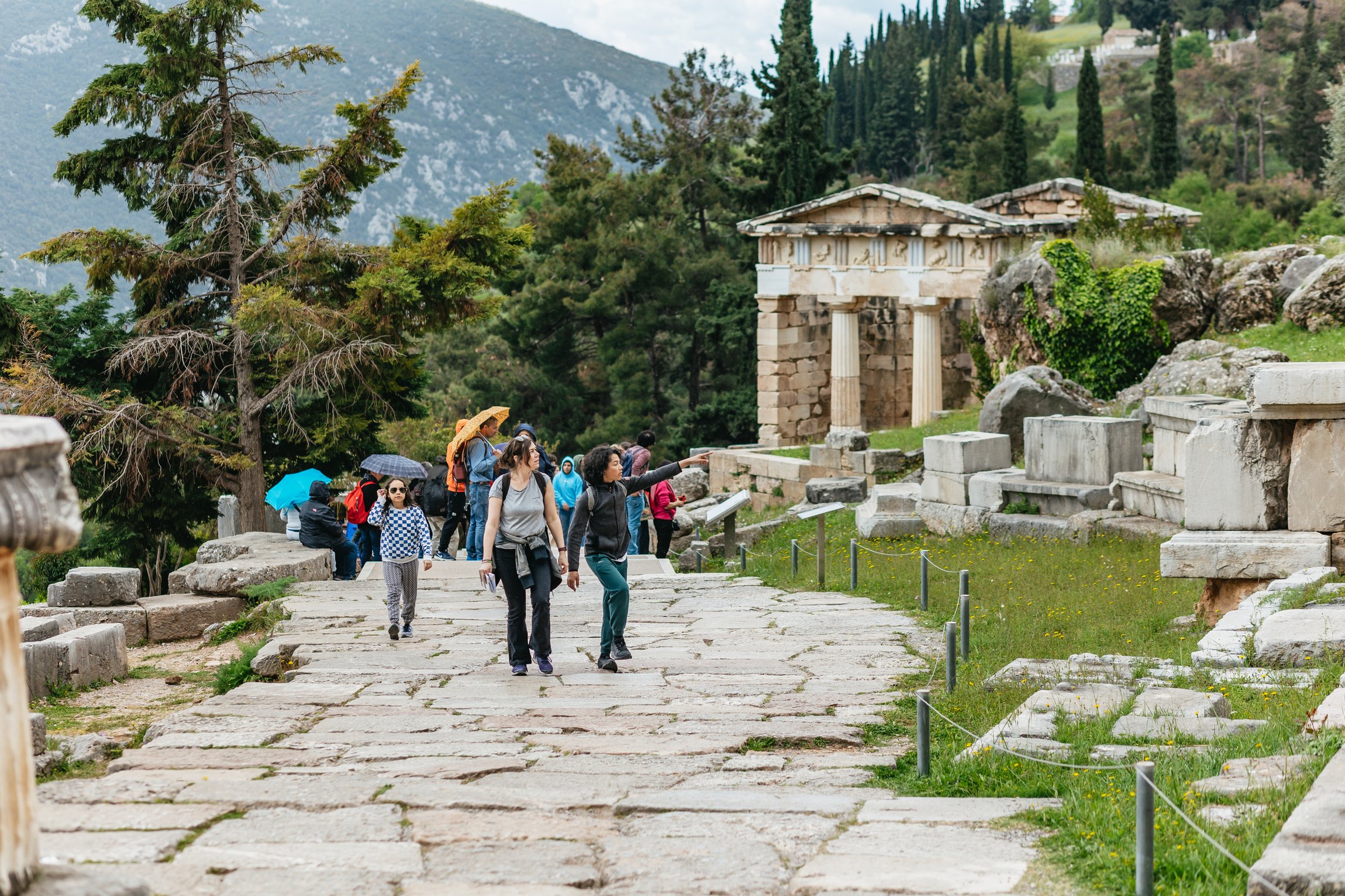
The primary path leading pilgrims toward the Temple of Apollo. It is lined with various treasuries.
You depart Athens before dawn, watching the city's concrete sprawl give way to olive groves as the coach climbs into Boeotia. By mid-morning you reach Delphi, where the archaeological site opens onto a steep hillside facing the Pleistos Valley.
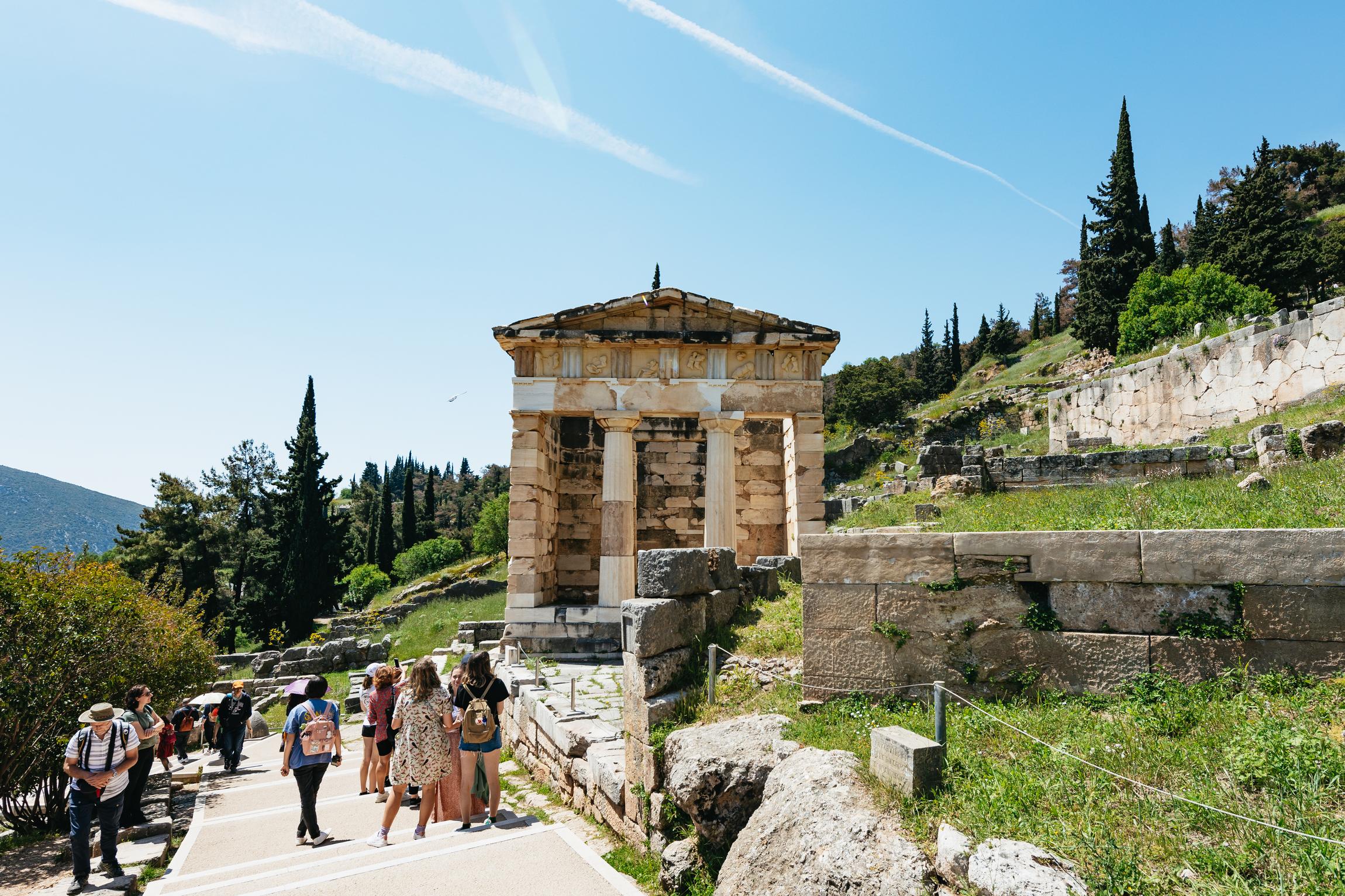
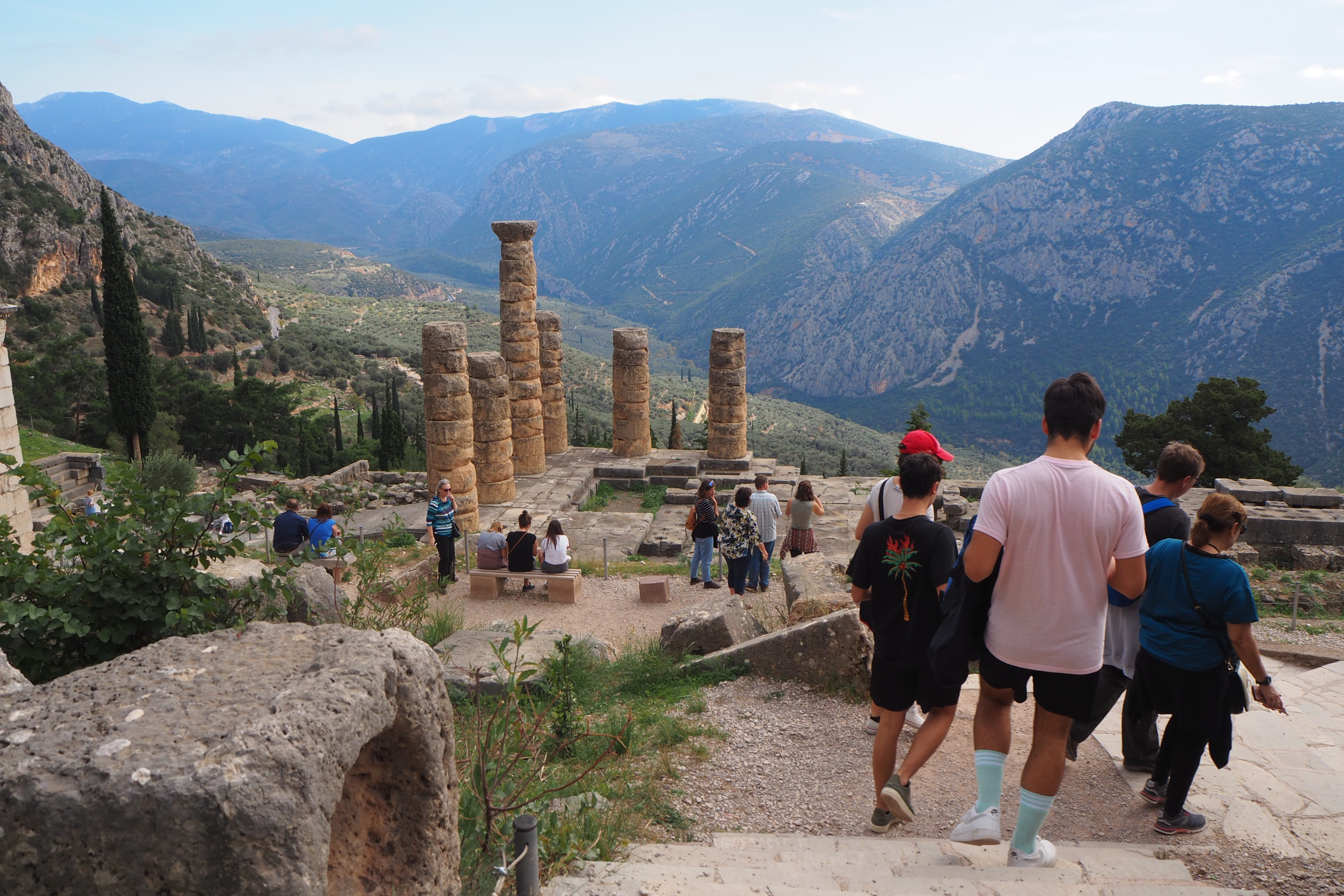
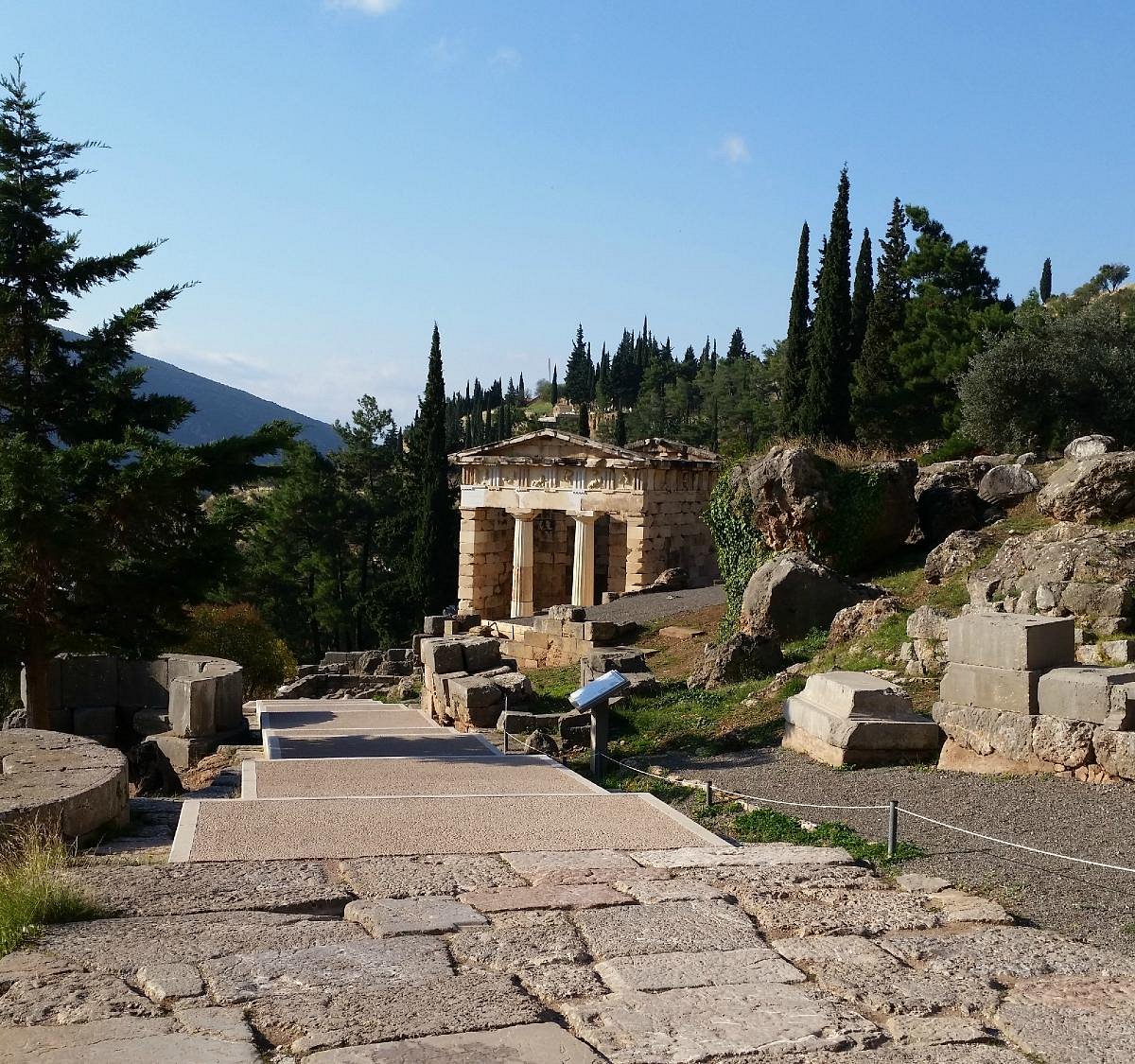
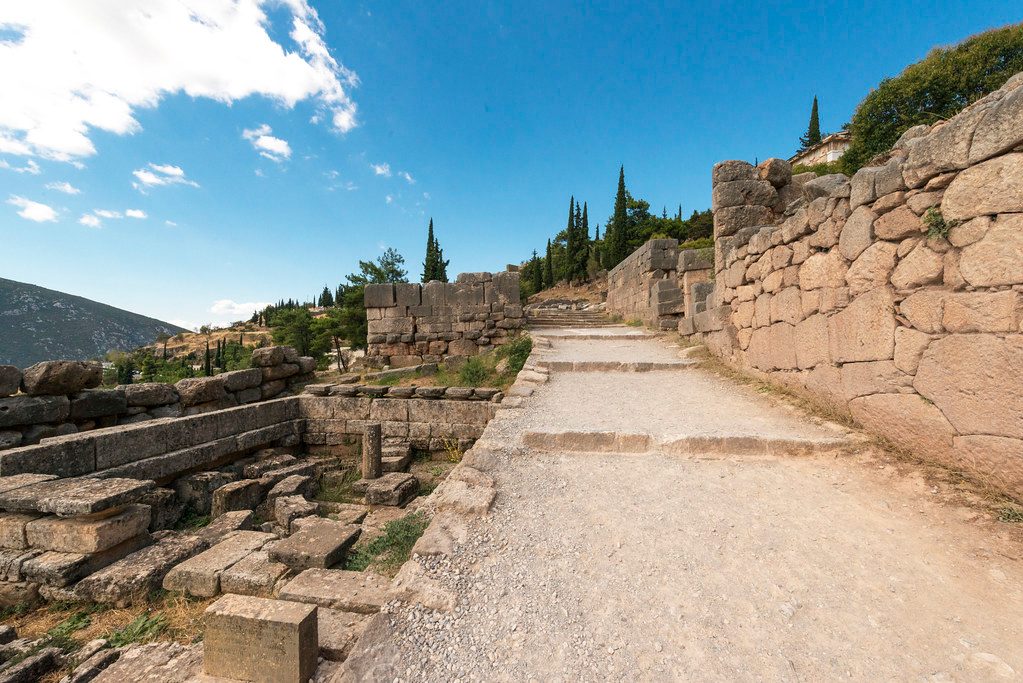
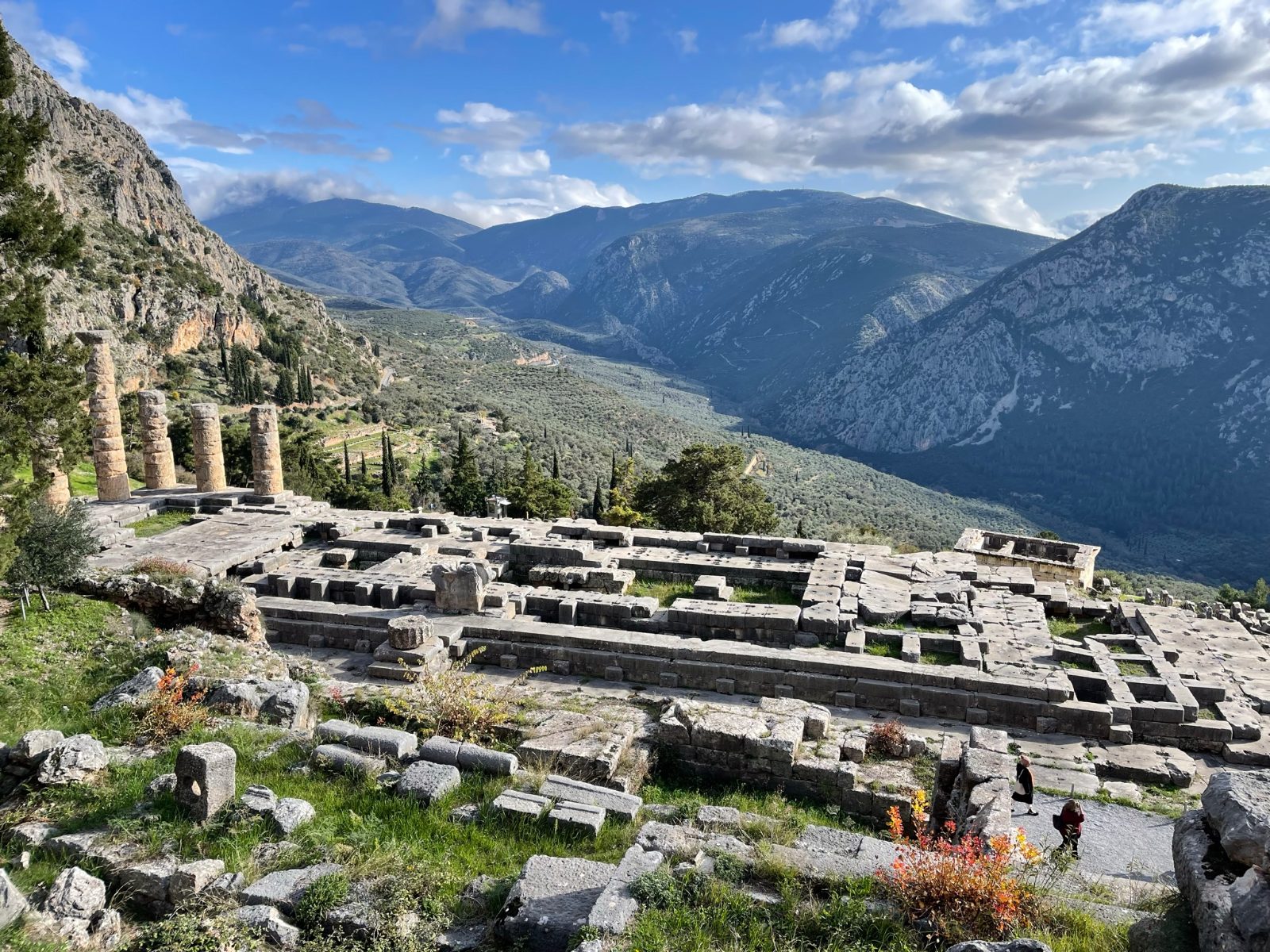
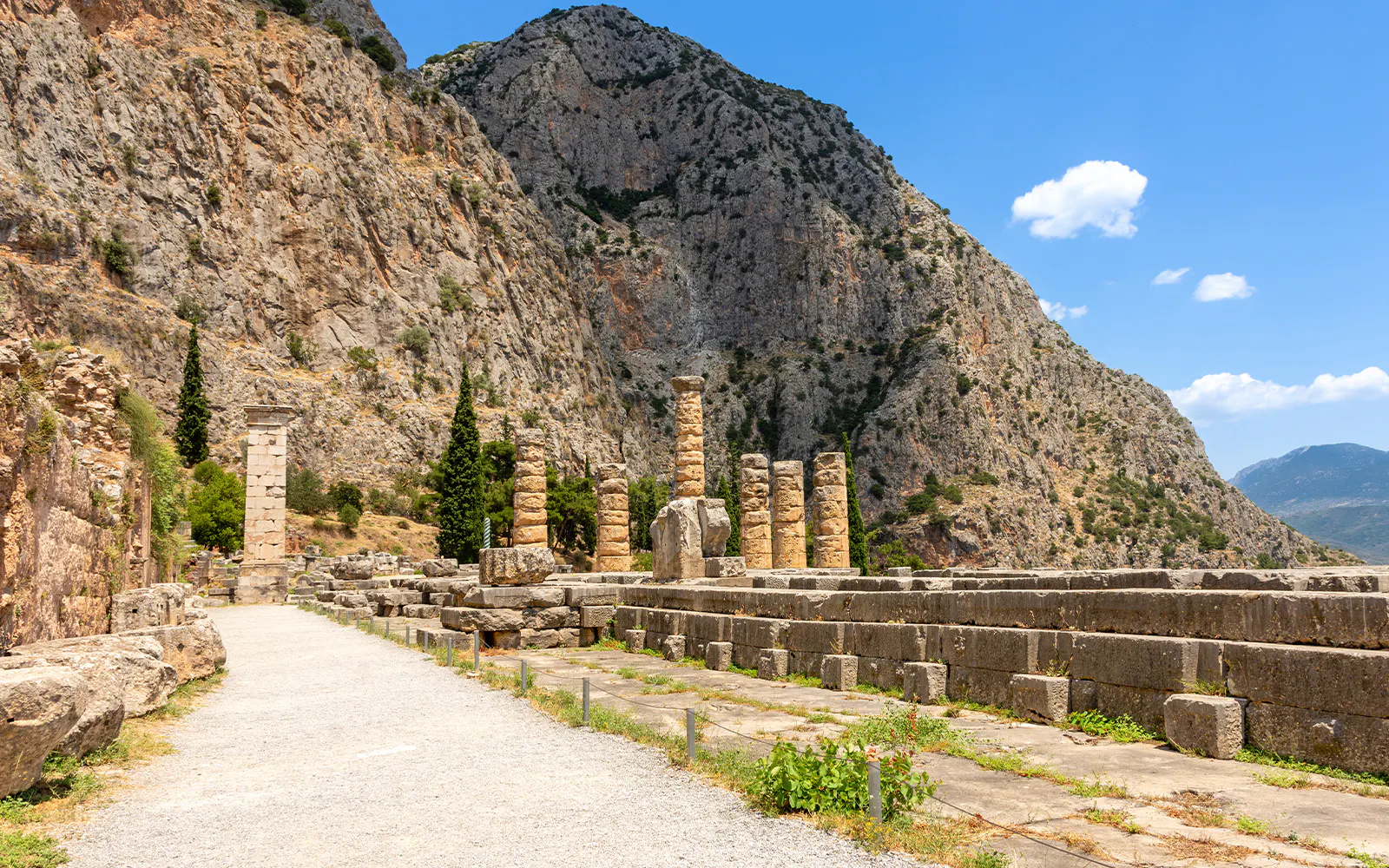
You enter through the Roman Agora, passing the reconstructed Athenian Treasury before ascending the Sacred Way's zigzag path. Marble statue bases line the route, each inscribed with dedications from rival city-states. The Temple of Apollo's surviving columns frame the valley 200 meters below, the same view ancient petitioners saw while waiting for the Oracle's pronouncements.
After the site, you cross to the museum housing the Charioteer of Delphi—a 2,500-year-old bronze so precisely cast you can see the driver's individually rendered eyelashes. The afternoon includes a stop in Arachova, a mountain village clinging to Parnassus's slopes, before you continue north. You overnight in Kalambaka, waking to see Meteora's rock formations catching first light. The second morning takes you up switchback roads to the monasteries, where stone stairways cut into cliff faces lead to centuries-old frescoes and views across the Pindus range. By late afternoon you're descending back toward Athens, two sacred geographies—one horizontal across a valley, one vertical against sky—layered into a single journey through the Greek interior.
All the details about your upcoming adventure in one place
The Sanctuary of Apollo at Delphi functioned as the ancient world's spiritual capital for nearly a millennium, its Oracle consulted by kings and city-states before every major decision. Pilgrims traveled weeks to reach the site, bearing lavish offerings and cryptic questions about war, colonization, and succession.
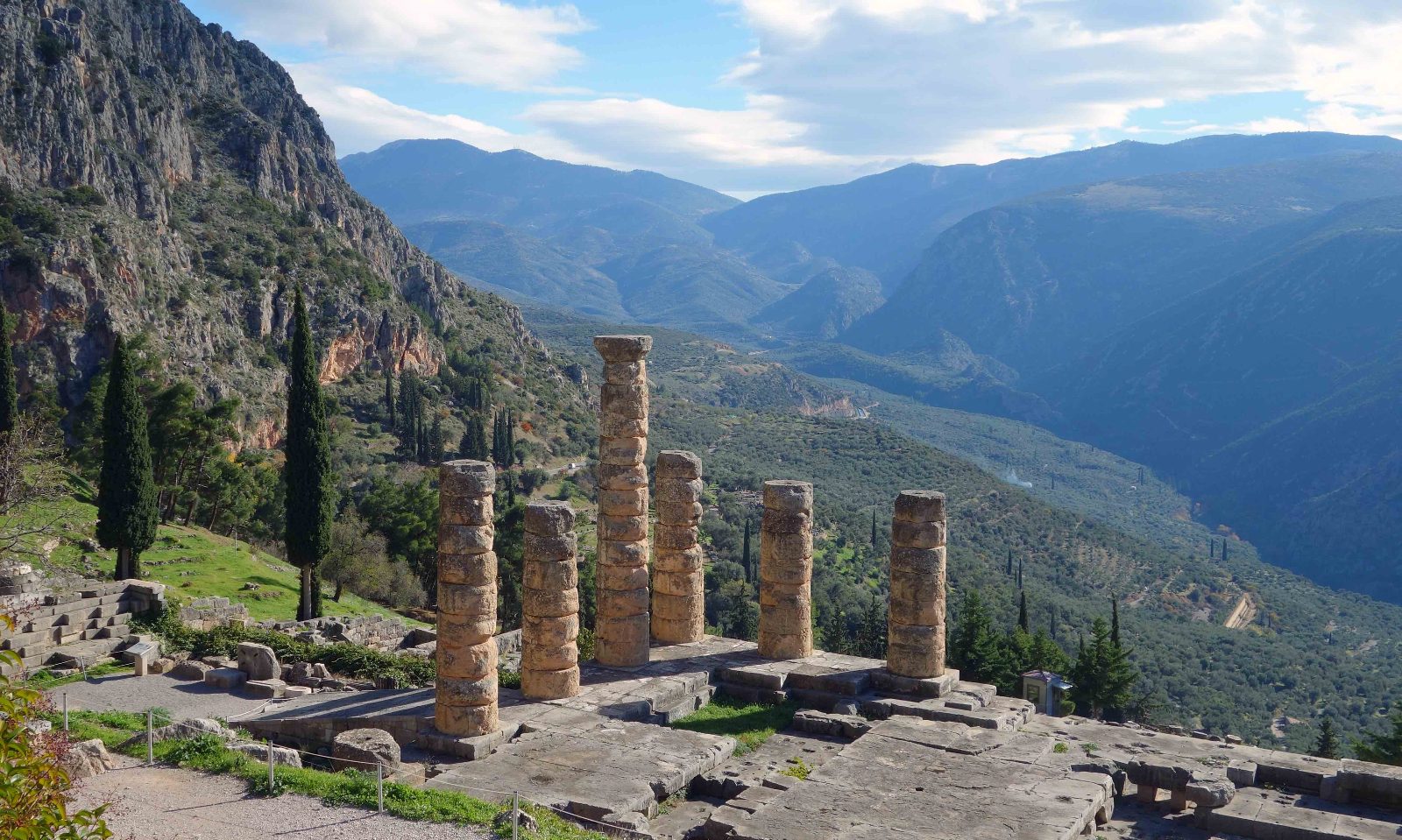
The temple complex sprawled across the slopes of Mount Parnassus, funded by treasuries from Greek colonies as far as Sicily and the Black Sea. What survives today—the Temple of Apollo's six Doric columns, the 5,000-seat theatre carved into the hillside, the athletic stadium where Pythian Games rivaled Olympia—forms one of the Mediterranean's most complete sacred precincts.
Delphi's significance extended beyond prophecy. The site housed the omphalos, a sculpted stone marking what Greeks believed to be the world's center, determined when Zeus released two eagles from opposite ends of the earth and they met above this valley. City-states erected monuments here to commemorate military victories, turning the sanctuary into a open-air museum of Hellenic rivalry and ambition. The Athenian Treasury, reconstructed in 1906 using original marble blocks, once stored tribute from the Battle of Marathon. Farther upslope, the Castalian Spring—where pilgrims purified themselves before consulting the Oracle—still flows between rock cliffs, its water channeled through ancient stone basins.
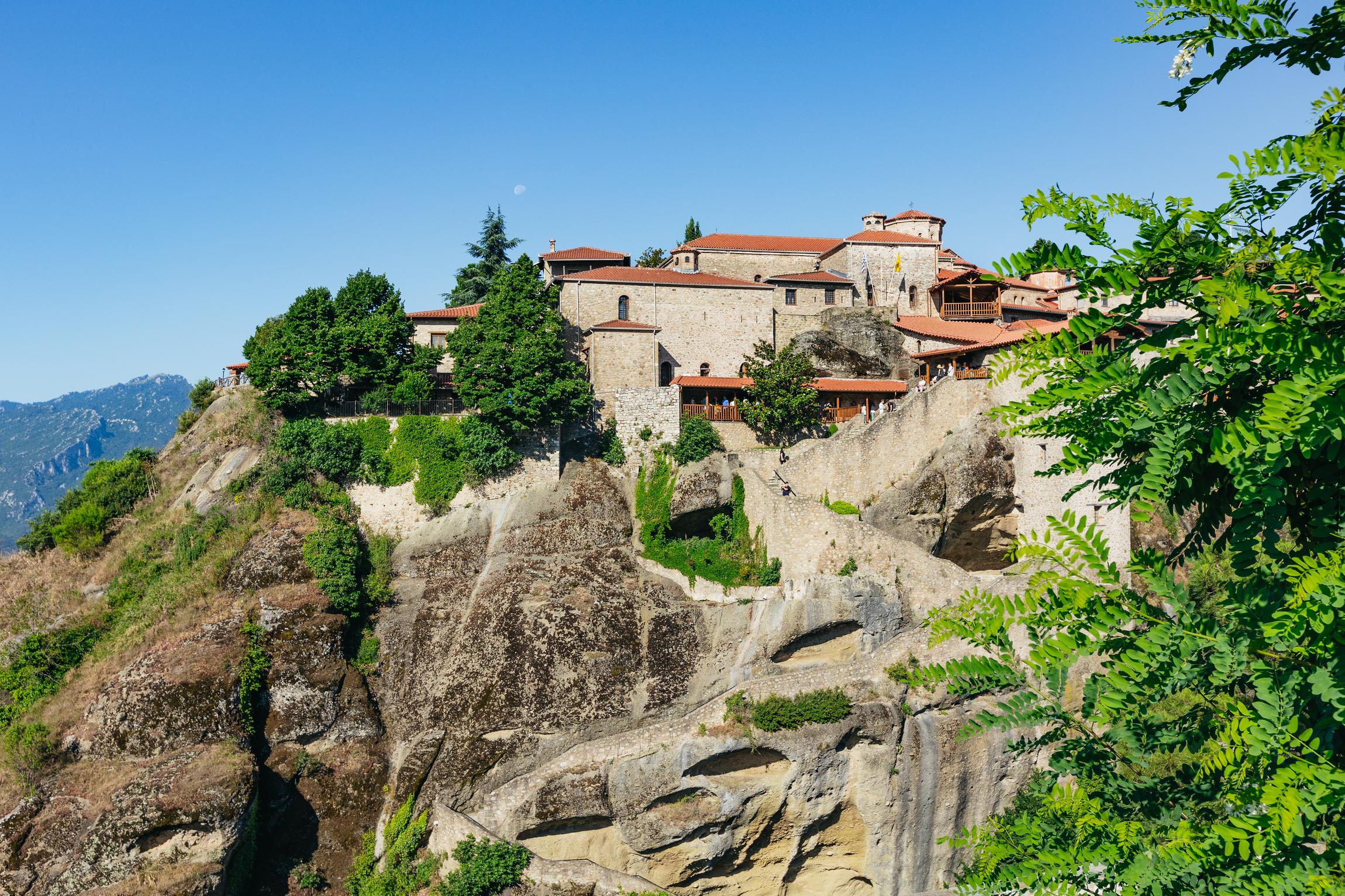
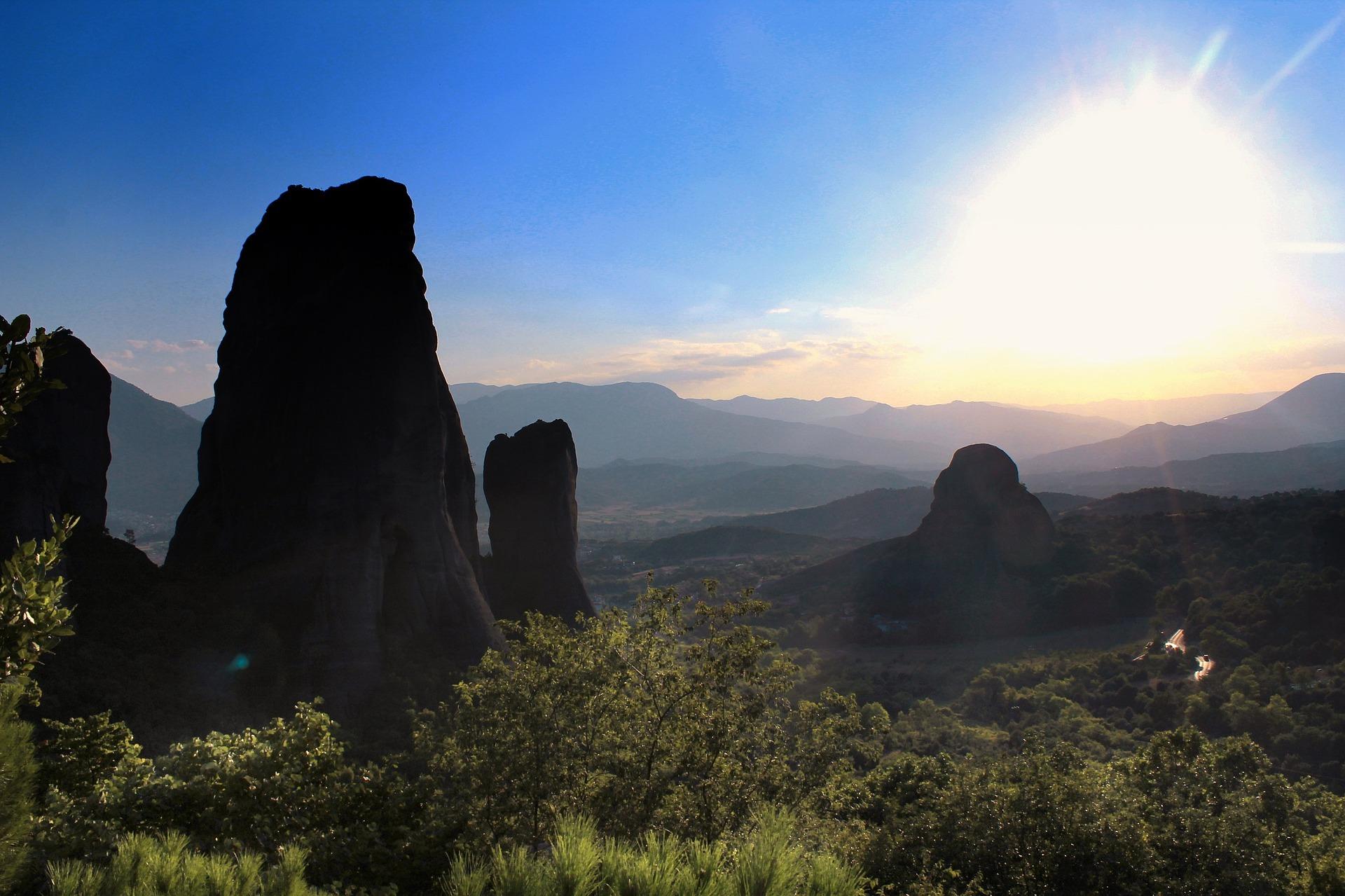
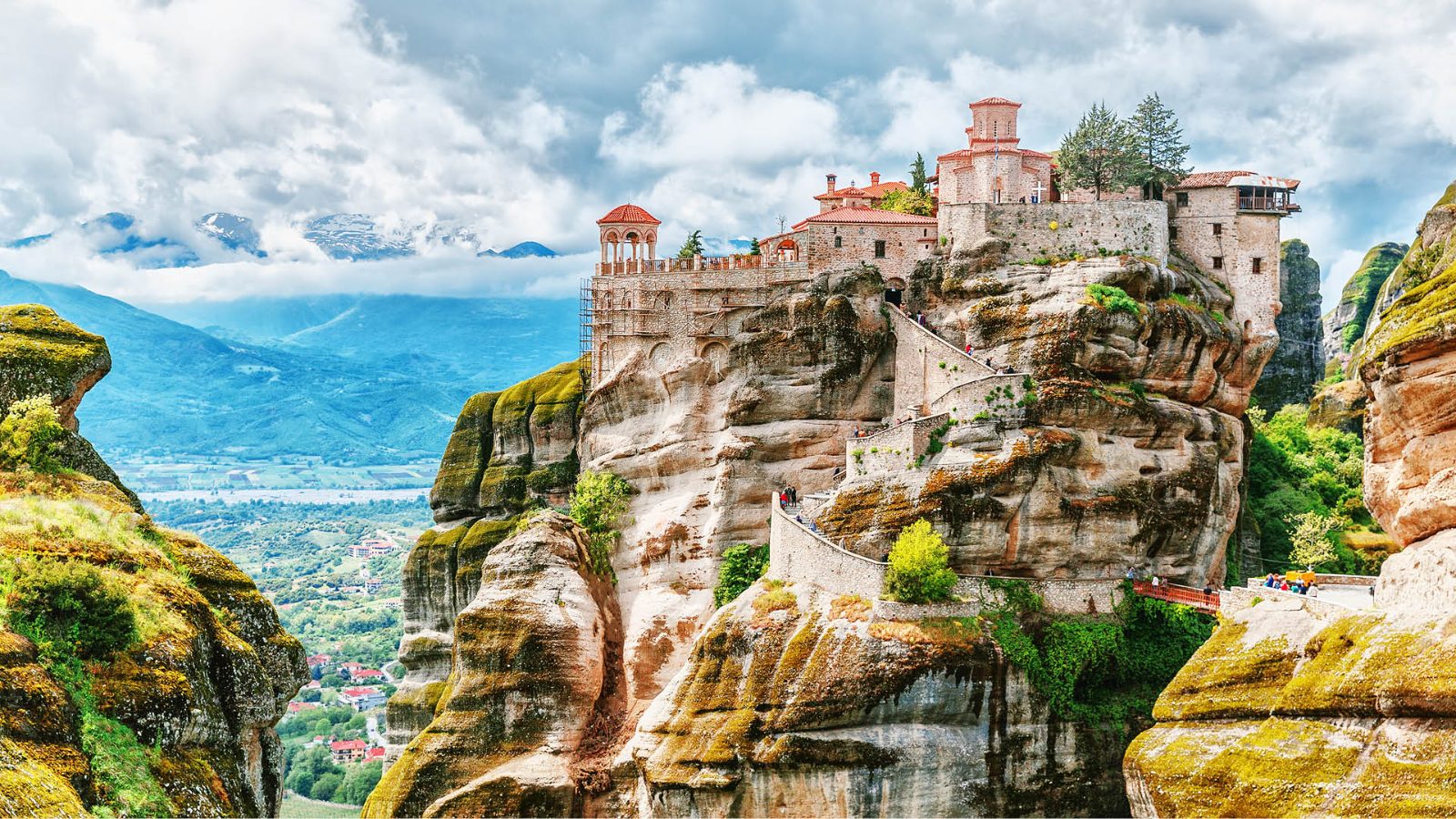
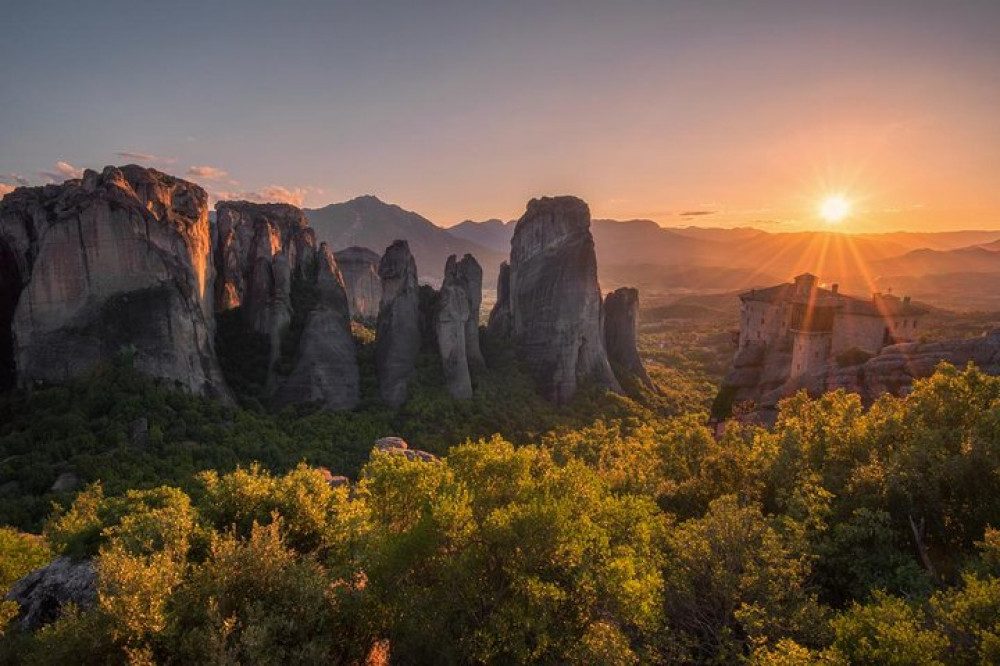
Two hundred kilometers north, Meteora's sandstone pillars rise 400 meters from the Thessalian plain, supporting six active monasteries built between the 14th and 16th centuries. Byzantine monks seeking refuge from Ottoman expansion hauled construction materials up sheer cliffs using rope ladders and winches, establishing communities accessible only by retractable ladders until the 1920s. The monasteries preserve post-Byzantine frescoes, illuminated manuscripts, and wooden iconostases that escaped destruction during centuries of occupation. Combining a Delphi Oracle tour with Meteora's clifftop hermitages creates a 48-hour traverse of Greek spiritual architecture across two millennia—a itinerary connecting Classical rationalism with medieval asceticism through central Greece's mountain spine.
The journey itself reveals transitions in landscape and history. From Athens, the route crosses the Boeotian plain where Theban armies once marched, climbs through pine forests to Delphi at 600 meters elevation, then continues north past the battlefield of Thermopylae to Meteora's geological anomalies. This Athens to Delphi and Meteora multi-day tour covers 700 kilometers, linking UNESCO World Heritage sites separated by the rise and fall of empires, all within a two-day round trip from the modern capital.

The Sanctuary of Apollo at Delphi functioned as the ancient world's spiritual capital for nearly a millennium, its Oracle consulted by kings and city-states before every major decision.
Comfortable footwear with good grip is essential for a tour from athens to delphi and meteora as pathways are steep. Modest clothing is recommended for visiting nearby religious sites.
Large backpacks are generally restricted within the archaeological museum of a tour from athens to delphi and meteora. Security staff may inspect bags at the main entrance.
Personal photography is permitted on a tour from athens to delphi and meteora. Professional tripods require special authorization.
Strollers are not recommended for a tour from athens to delphi and meteora due to the rocky ground. Younger children should be supervised closely near historic edges.
The archaeological site has limited wheelchair access due to steep, uneven terrain. Most visitors on a tour from athens to delphi and meteora require moderate physical fitness.
Consumption of food is prohibited inside the museum and sensitive archaeological zones. Visitors on a tour from athens to delphi and meteora should carry a reusable water bottle.
Opening Hours
08:00–20:00 (Most Days)
Address
Delphi 330 54, Greece
Site Access
Limited due to uneven ancient terrain
Arrival
08:00–10:00
Navigation
Follow marked stone paths
Public transport · 3h · Moderate
KTEL buses run daily from Athens Liosion terminal to the village of Delphi
Car · 2.5h · Variable
Follow the National Road to Levadia and Arachova
Full refunds are available for cancellations made at least 24 hours before your tour from athens to delphi and meteora. The 20 EUR entrance fee is included in prepaid packages.
Recommended time
3-4 hours
A comprehensive tour from athens to delphi and meteora typically requires this duration to explore the Temple of Apollo and the archaeological museum at a steady pace. Those booking group tour from athens to delphi and meteora tours should allocate extra time for potential bus queues at the entrance. Securing skip-the-line tour from athens to delphi and meteora tickets helps maintain momentum when site attendance peaks during the afternoon.
Crowd levels through the day
Weather · crowds · average price — dots go green to amber to red as each metric rises.
Mild temperatures make the climb to the theater comfortable for those on a tour from athens to delphi and meteora.
Expect high heat and significant crowds, so arrive during the 08:00–10:00 window.
Cooler air provides pleasant conditions for exploring the UNESCO World Heritage site.
Fewer crowds, though the site may be colder and exposed to mountain winds.
Bring extra water as limited vendors exist near the top of the site.
Wear shoes with rubber soles to navigate the slippery ancient marble.
Join an early tour from athens to delphi and meteora to beat the bus crowds.
Use an official guide to understand the significance of the Navel of the World.
Follow the Sacred Way path to ensure you see the most important monuments.
Delphi emerged as a sacred site by the eighth century BCE, when Greek settlers recognized the natural chasm emitting volcanic gases as a divine gateway. The Oracle of Delphi, a priestess known as the Pythia, delivered prophecies from Apollo himself, channeling the god's voice while seated above the fissure. City-states across the Mediterranean consulted her before wars, colonizations, and constitutional reforms. By the sixth century BCE, Delphi held unmatched political influence; the Amphictyonic League administered the sanctuary and punished transgressors through sacred wars. The phrase "navel of the world" originated from the omphalos stone marking the cosmic center, where Zeus released two eagles that met above Delphi. Pilgrims walked the Sacred Way past treasuries built by rival poleis—Athens, Thebes, Corinth—each structure a marble advertisement of wealth and piety. The site's golden age coincided with Classical Greece, when city-states funded monumental temples and victory monuments. The Temple of Apollo, rebuilt after earthquakes and fires, anchored the sanctuary. Croesus of Lydia tested the Oracle's accuracy before consulting her about invading Persia; her cryptic answer—"a great empire will fall"—proved correct when his own kingdom collapsed. Philip II of Macedon manipulated the Amphictyonic Council to justify his expansion, and his son Alexander sought the Pythia's blessing before conquering Asia. Roman generals including Sulla plundered Delphi's treasuries during the Mithridatic Wars, stripping bronze statues and gold dedications. Nero alone removed five hundred bronze sculptures. The sanctuary survived as a pilgrimage center under Roman rule, though imperial patronage shifted to other oracles. Theodosius I banned pagan worship in 393 CE, silencing the Oracle after a millennium of continuous operation. Earthquakes buried the Temple of Apollo beneath rockfall, and Christian settlers quarried its stones for churches. The modern village of Kastri occupied the ruins until Greek archaeologists, led by Theophile Homolle, excavated the site between 1892 and 1903. French teams relocated the village and uncovered the theater, stadium, and treasuries. Today, those traveling on a tour from athens to delphi and meteora encounter the restored Sacred Way, the polygonal wall with inscribed manumission records, and the Tholos at Athena Pronaia. The archaeological museum preserves the Charioteer of Delphi, a bronze masterwork from 478 BCE. Delphi gained UNESCO World Heritage status in 1987, recognized as the spiritual and political axis of the ancient Greek world.
Oracle of Delphi established as Apollo's prophetic sanctuary, attracting pilgrims from across the Greek-speaking world.
Amphictyonic League formalizes control of the sanctuary, funding the first stone Temple of Apollo and hosting Pythian Games.
Fire destroys the temple; Alcmaeonid family finances reconstruction with marble from Paros, securing Athenian influence.
Earthquake levels the temple; city-states fund a third iteration completed in 330 BCE, the structure visible in ruins today.
Rome annexes Greece; generals including Sulla and Nero plunder Delphi's treasuries, removing statues and gold votive offerings.
Emperor Theodosius I bans pagan worship, ending the Oracle's consultations after more than a millennium of operation.
French archaeologists under Theophile Homolle excavate the sanctuary, relocating the village of Kastri to expose the Sacred Way and theater.
UNESCO inscribes Delphi as a World Heritage Site, recognizing its role as the spiritual center of the ancient Greek world.
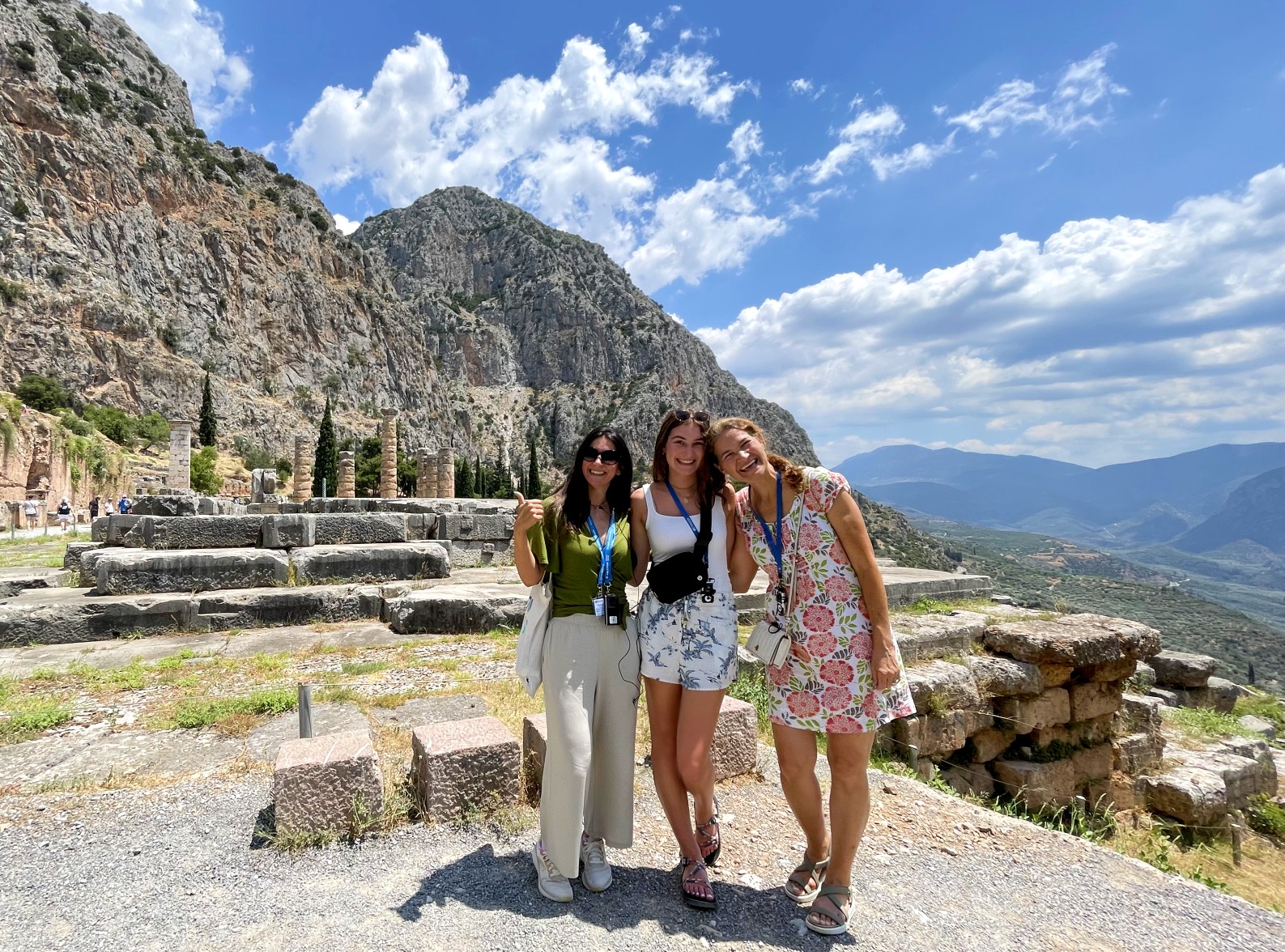
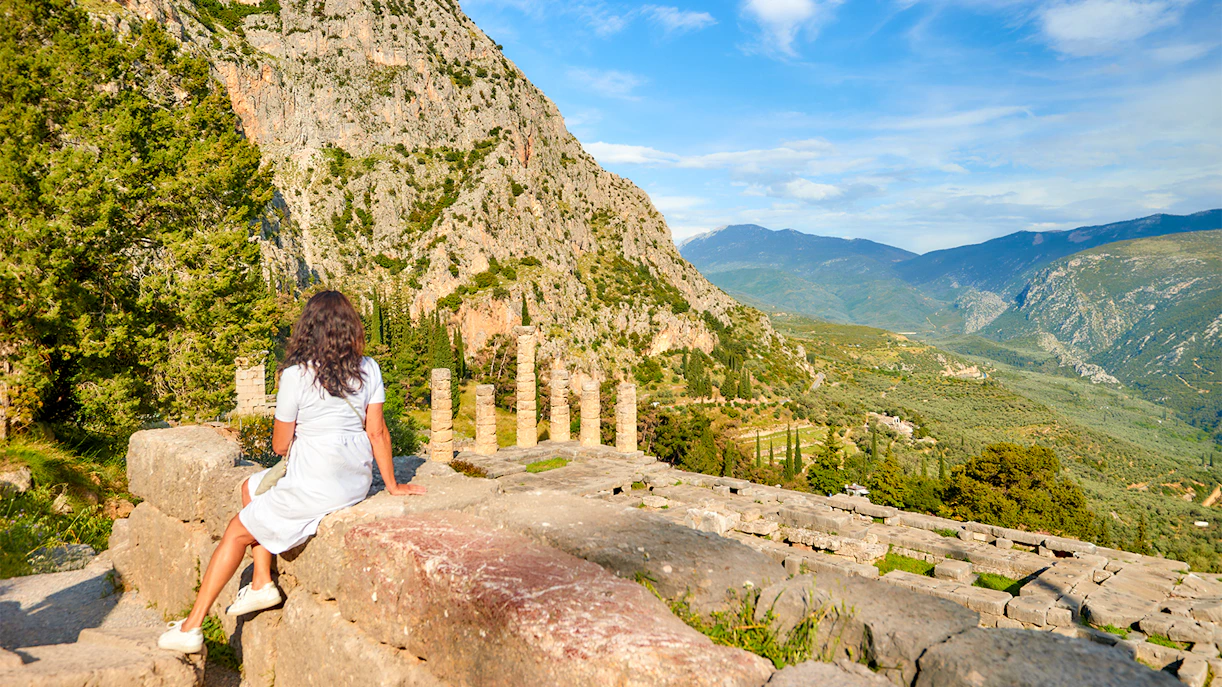
Position yourself on the path above the sanctuary to frame the marble columns against the backdrop of Mount Parnassus. This angle is a highlight for those on a tour from athens to delphi and meteora and captures the scale of the ancient ruins.
The circular foundation of the Tholos stands in a lower valley area separated from the main archaeological site. Shooting from the upper road allows for a clean composition of the rotunda amidst the surrounding pine trees.
The Delphi Archaeological Museum provides a terrace offering panoramic vistas of the Pleistos Valley and the olive groves below. Use this spot to document the landscape context often included in a typical Delphi guided excursion.
Follow the winding stone road leading up to the temple to capture the perspective of ancient pilgrims. This corridor provides natural leading lines toward the sanctuary entrance.
Exploring the ancient ruins during a tour from athens to delphi and meteora requires careful planning for little legs and steep, uneven terrain. Engaging children with the myths of the Oracle helps bring this UNESCO heritage site to life during your visit.
The archaeological site features steep, uneven paths and many stairs that make stroller use impractical; a high-quality carrier is essential for younger children on this Delphi sightseeing tour.
To ensure a pleasant experience, plan your visit during the best arrival window of 08:00–10:00 to avoid heat and congestion.
Baby-change facilities are limited, so parents should be prepared to handle needs independently while exploring the sanctuary grounds after securing your tour from athens to delphi and meteora tickets.
Turn the walk through the Temple of Apollo into a scavenger hunt by searching for the ancient columns and inscriptions featured in various tour from athens to delphi and meteora tours.
Given the rugged nature of the mountainside, children benefit from comfortable walking shoes and frequent breaks while navigating the site's vast historical landscape.
Travelers seeking a tour from athens to delphi and meteora will find that while the archaeological site itself lacks dining, the adjacent village offers many traditional tavernas. Most establishments are located within a short walk of the main entrance, making them convenient for those looking to refuel after exploring the sanctuary and museum.
This family-run spot features local mountain greens and grilled meats with views of the valley. It serves as a popular stop for travelers needing a hearty meal after securing tour from athens to delphi and meteora tickets.
Everything you need to know for your journey
The site is open from 08:00–20:00 most days, with a shorter 10:00–17:00 window on Tuesdays.
Yes, pre-booking tour from athens to delphi and meteora tickets is recommended to save time.
Accessibility is limited due to the steep terrain of the archaeological site.
The best arrival window is 08:00–10:00 to avoid midday crowds and heat.
Photography is permitted, but tripods require special permission.
The entrance fee is 20 EUR, which covers both the site and the museum.
Small personal bags are allowed, but large backpacks may need to be stored.
Modest clothing and comfortable, sturdy walking shoes are highly recommended.
Yes, but please plan your visit early to avoid the peak heat during the summer months.
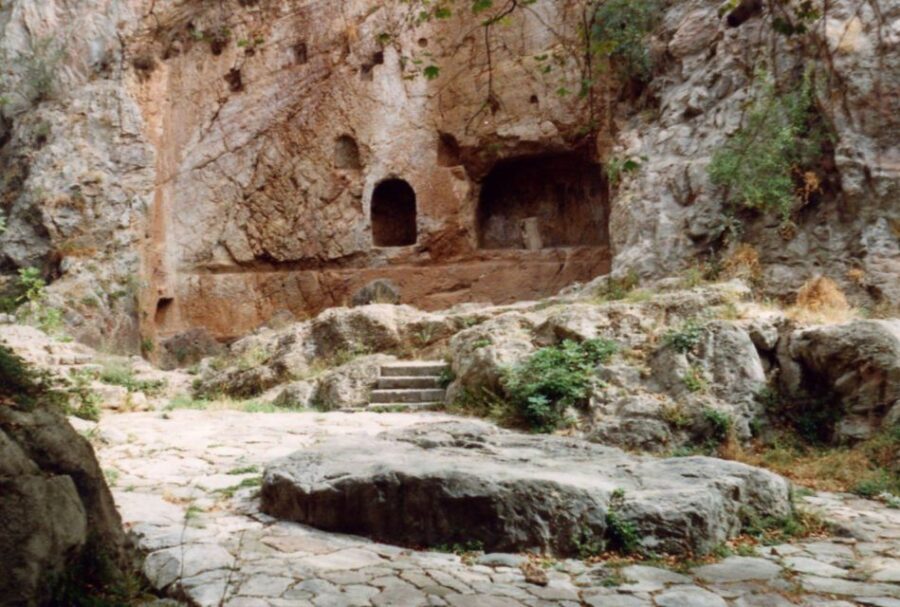
A mountain cave dedicated to Pan and the Muses.
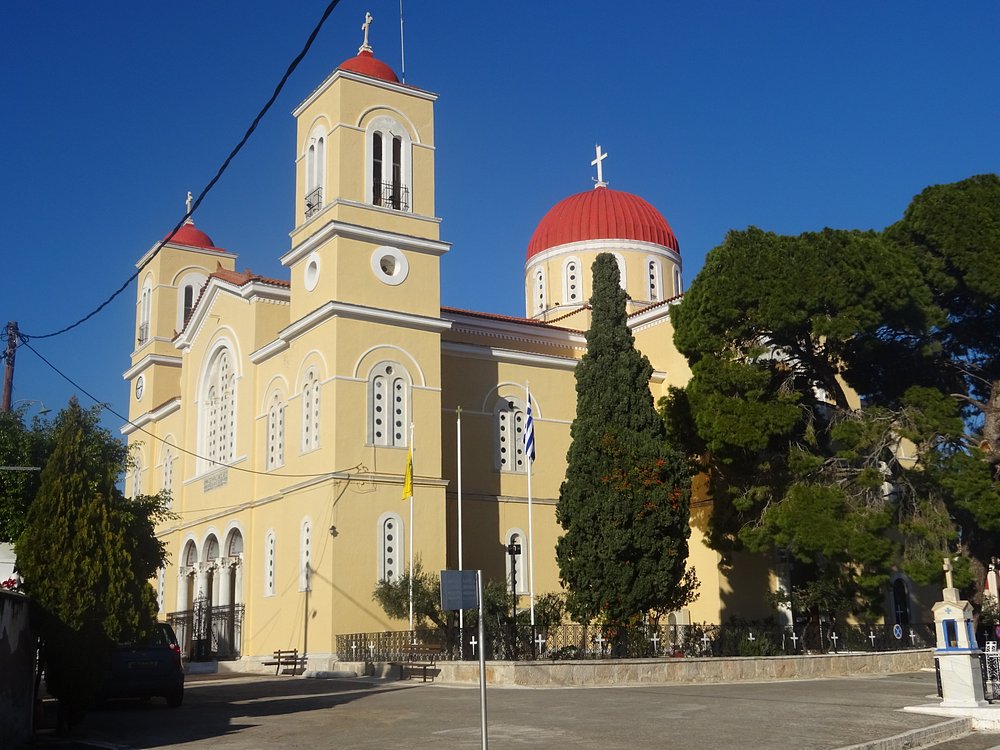
A local religious site in the modern village.
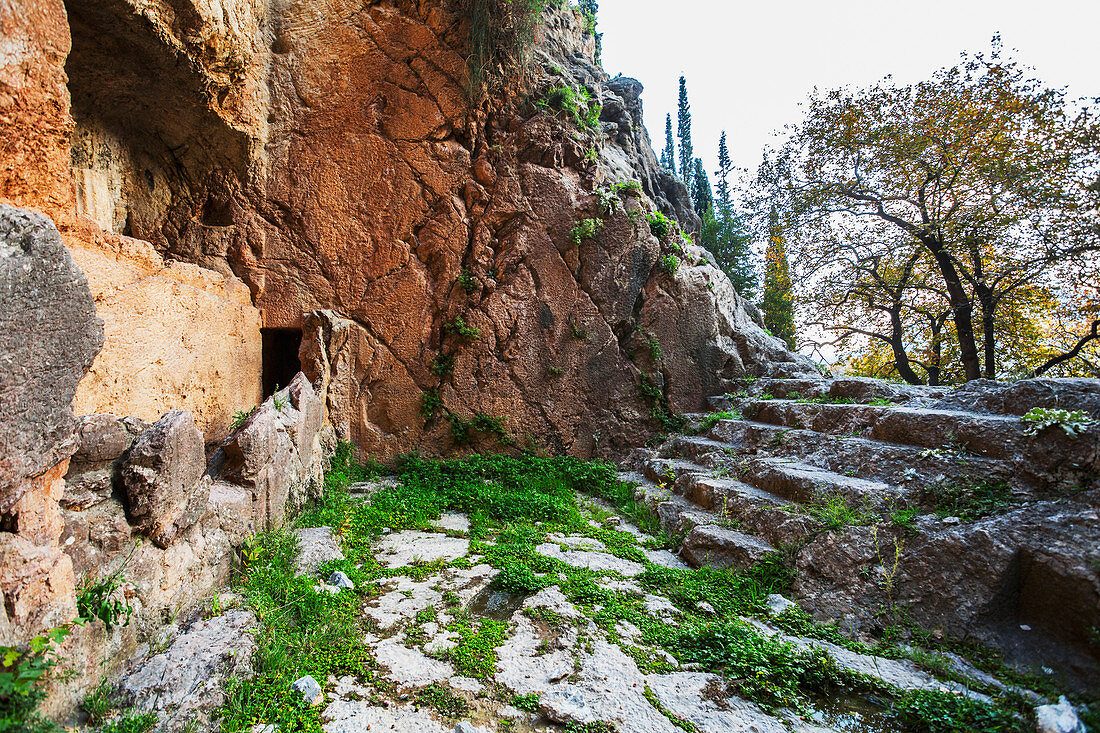
An ancient spring where visitors purified themselves.
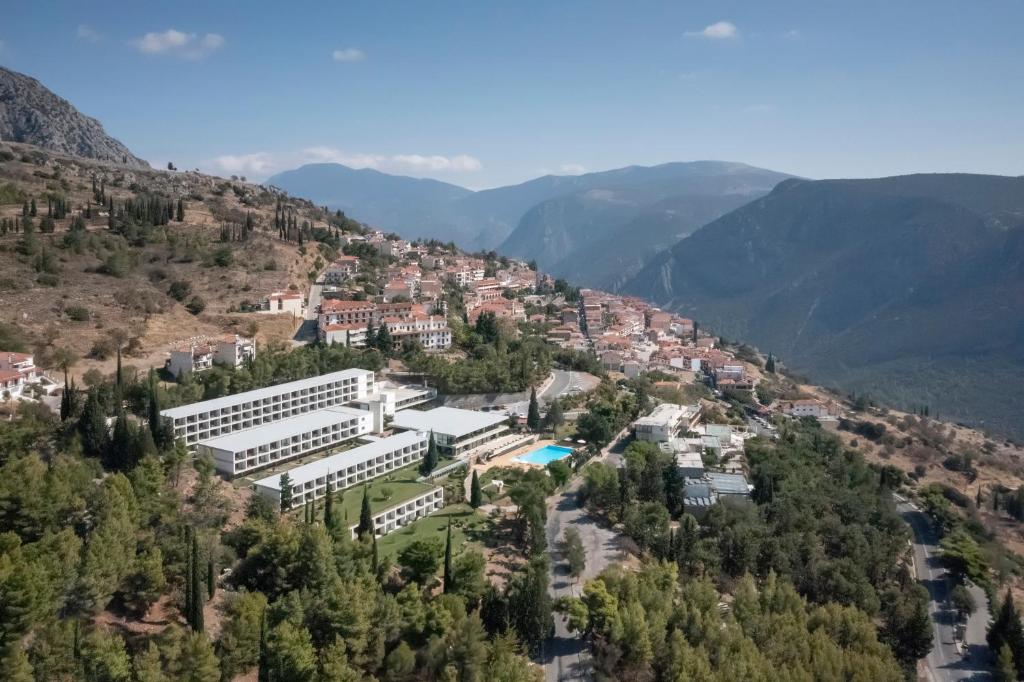
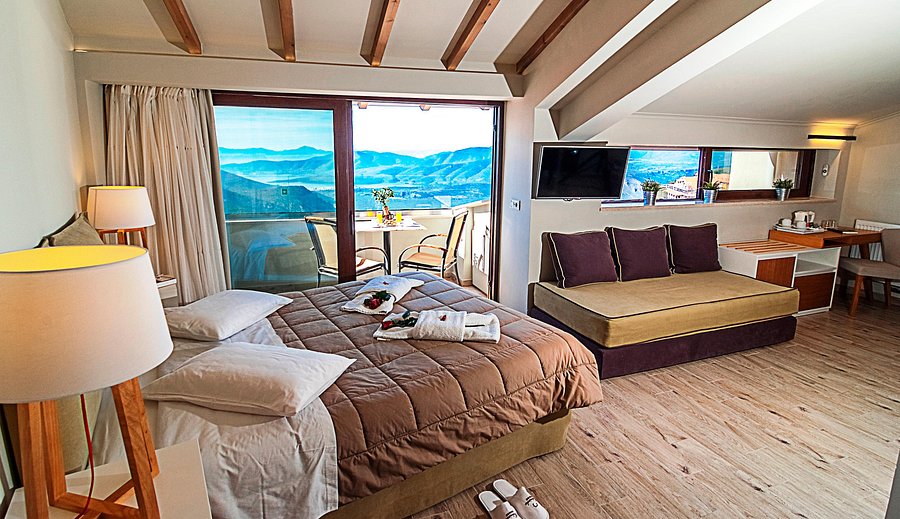
Features mountain views and proximity to the site
Boutique style near the main street
Budget-friendly guesthouses within walking distance
Join thousands of happy travelers who have discovered this incredible experience
Book Your Experience Now